Stephanie Wade
I am a teacher, researcher, and writer who uses ecology to understand writing and to build projects that support justice, equity, and access.
Current Projects

Coda: Community Writing + Creative Work
Just as musical codas persist beyond the end of musical work, Coda–a new section of the Community Literacy Journal devoted to creative writing–offers space for the representation of the lingering effects of community engagement, public engagement, and activism. Coda publishes creative writing in a range of genres and voices in a move to expand conversations about writing studies, to document and preserve the work of community writing, and to encourage more creative writing. Please see our website for more information.
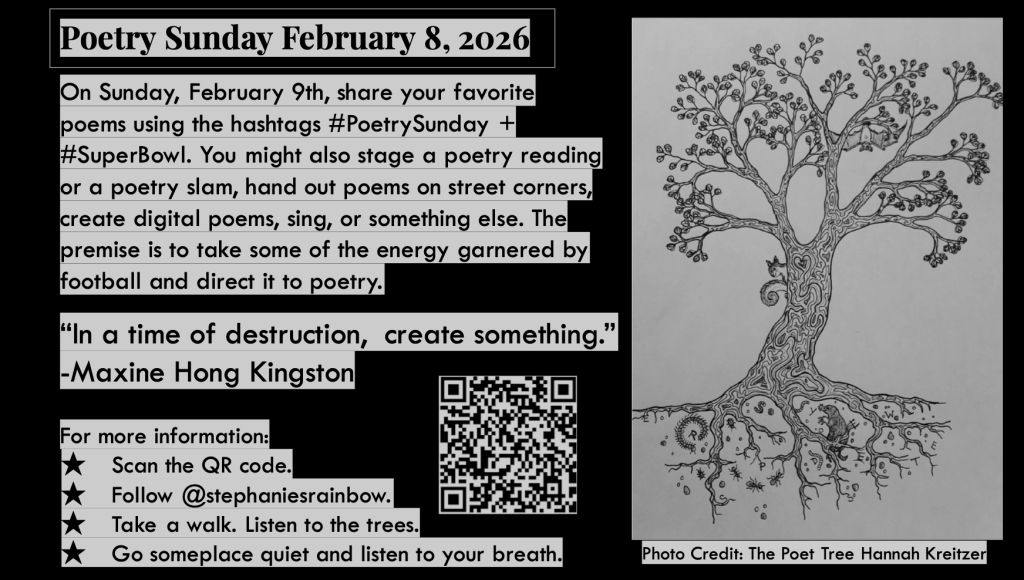
Poetry Sunday
An Ecological Approach to Antiracist Writing Instruction
As a part of a team of white writing program administrators at a primarily white liberal arts college that prioritizes the recruitment of and support for students from minoritized backgrounds, I developed and adopted an ecological approach to antiracist writing instruction that distributes antiracist theory and practices through multiple channels on campus and off campus in curricular and co-curricular programs. We enacted this approach by integrating antiracist research, pedagogy, and practices into our course for tutor training; our in-semester support for writing tutors; our contributions to new faculty orientation; our ongoing support for continuing faculty development; and our participation in campus-wide, local, and national and community events. The results of these efforts included student research, support from our Office of Equity and Inclusion, support from our Dean of Faculty, and attention from student and staff news outlets, which has raised awareness of the need for antiracist approaches to writing instruction and contributed to changes in practice and the Martinson Award for Innovation from the Small Liberal Arts Consortium of WPA. More details here.
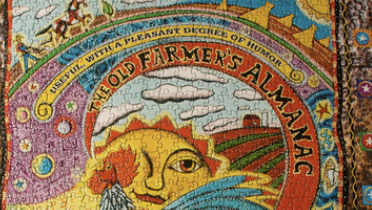
The Almanac of Garden Writing
Over the past seven years I have been designing and teaching community-engaged classes that focus on food justice and educational equity.
In these classes, college and K-12 students worked together in school and community gardens; they wrote together; and in the most recent classes, the college students developed research projects and engaged in public writing that serves community needs.
From these experiences, I have collaborated with colleagues to create the Almanac of Garden Writing-a series of writing prompts that align with seasonal gardening projects. The next step of the project will be a publication template, so groups using the prompts can publish and share their garden-based writing. More here.
Research
Publications:
Food Justice and Garden Writing in First Year Seminars at Bates College. Food Justice Activism and Pedagogies: Literacies and Rhetorics for Transforming Food Systems in Local and Transnational Contexts. Editors Eileen Schell, Dianna Winslow, and Pritisha Shrestha. Lexington Press. Expected publication 2022.
Do Something!: Forging Constellations of Curricular, Co-curricular, and Community Opportunities of Antiracist Pedagogies at Bates College in Lewiston, Maine. Co-authored with Lucy Del Col, Ana Fowler, Sabrina Mohamed, Alex Onuoha, Sarah Raphael, Emily Tamkin, Celia Tolan, and Cherrysse Ulsa. WPA Journal. Summer 2021.
Feed Your Mind: Cultivating Ecological Community Literacies With Permaculture. Community Literacy Journal 10.1 Fall 2015.
Collaborative Learning Through Formative Peer Review With Technology. Co-authored with Dr. Carrie Diaz Eaton. PRIMUS 24 2014.
Works in process:
Science Writing in the First Year of College. Co-authored with Dr. Christopher Thaiss. Proposal accepted by Writing Spaces. Article undergoing peer review.
Where We Are From: Multilingual Poetry and Collaborative Public Writing as Paths to Community Listening. Co-authored with Patty MacKinnon, Sarah (Raph) Raphael, Alexandria Onuoha, and Cherrysse Ulsa. Proposal for book chapter accepted. Article under revision.
Recent classes
Food Justice and Community Gardens
Primary Questions Organizing This Class:
How might the Bates College Garden serve as a site for social justice?
How can we cultivate neighborliness between communities at Bates and in Lewiston via our campus garden?
In other words, how can we use the space of class and our campus garden to facilitate ecological community literacies–the ability to apprehend and to ask questions about our human, plant, animal, and other neighbors, to find and evaluate information to answer our questions, and to make choices rooted in relationships?
To answer these questions, we studied community gardens and rhetoric: reading and writing about about food justice, garden-based education, and community activism while reflecting on own individual experiences with literacy and research about literacy education and activist rhetoric.
Full syllabus here.
Writing and Language Justice in a Global World
In this class, we centered our work around the question of how writers–especially those from minoritized backgrounds–use language to explore their identities, to navigate familiar and unfamiliar places, and to advocate for equity and inclusion. We read and crafted texts in a range of genres and voices; we worked on writing projects with local high school students, many of whom have recently moved to Lewiston from other countries; and we engaged in research and public writing to address community needs. Class website here.
Theory and Practice of Tutoring and Writing
This class offered an introduction to the field of composition studies, especially writing center theory, research, and practice, through the lens of antiracist, inclusive pedagogies. Students studied the relationships between literacy and social justice by reading and discussion research, engaging in community work, hosting speakers, reflecting on their experiences, creating teaching philosophies, and crafting reflective essays. Syllabus here
Please reach out if you would like to collaborate! stephanie.wade@stonybrook.edu
 StephanieWade